 Search
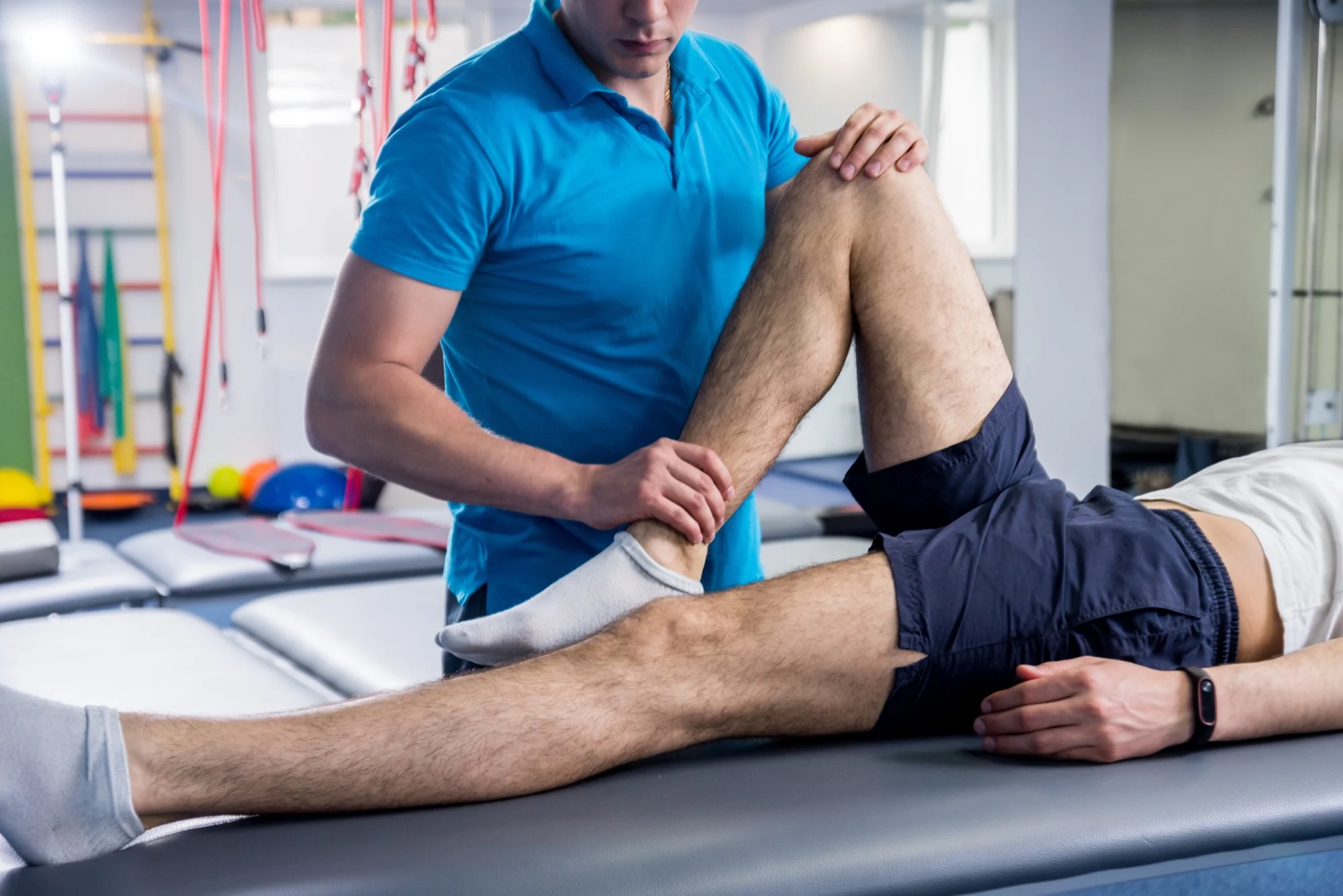
When most people hear “physical therapy,” they think of recovery after an injury or surgery. But for people living with rheumatic and autoimmune conditions, PT can be one of the most useful tools in long-term care, and also one of the most underused.
The right physical therapist can help you move more comfortably, protect your joints, and build strength without making symptoms worse. It’s not about pushing through pain. It’s about learning how to work with your body in a smarter, more sustainable way.
What PT Looks Like for Rheumatic Conditions
Physical therapy for autoimmune and rheumatic conditions looks different from PT after a sports injury. It tends to be slower, gentler, and more individualized. A good therapist will start by understanding how your symptoms show up day to day, which joints are most affected, and what your goals are. Then they’ll build a plan around those specifics.
A typical session might include guided stretches, gentle strengthening exercises, balance work, and education about how to move during daily activities. Many sessions also focus on flexibility and joint range of motion, which can quietly decrease over time when symptoms keep you from moving freely.
When PT Tends to Help Most
Physical therapy can be useful at many points along your journey, but a few situations stand out:
After a diagnosis: Learning how to move safely and protect your joints early can prevent setbacks down the road.
During a stable period: When symptoms are calmer, PT can help you build strength and resilience for the harder days.
After a flare: Flares can leave joints stiffer and weaker. A short course of PT can help you regain ground without rushing things.
When something specific is bothering you: Persistent shoulder pain, hand stiffness, or knee issues often respond well to targeted PT.
What a Good PT Plan Includes
The best plans are realistic. They take into account your fatigue, pain patterns, and daily schedule. A physical therapist who understands chronic conditions won’t push you to do more than your body can handle, and they’ll adjust as you go.
Expect a plan that includes exercises you can do at home, not just in the clinic. The real work happens between sessions. Five or ten minutes of the right movements a day often makes a bigger difference than a long workout once a week.
How to Know If PT Is Worth Bringing Up
If you’ve been noticing any of the following, it may be worth mentioning to your care team:
- Stiffness that limits how you move during daily activities
- A specific joint that keeps acting up
- Loss of strength or balance you didn’t have before
- Difficulty with tasks like opening jars, climbing stairs, or getting out of chairs
- A desire to stay more active without making symptoms worse
Your rheumatologist can refer you to a physical therapist, ideally one with experience treating rheumatic conditions. That experience matters. A therapist who understands autoimmune disease will pace things differently than one used to sports medicine.
Practical Tips
- Ask your care team for a PT referral with experience in rheumatic or autoimmune conditions
- Be upfront about your fatigue and pain patterns so your plan fits your life
- Do your home exercises consistently, even in short bursts on harder days
- Track how you feel before and after sessions so you can spot what helps
- Speak up if anything in your plan is making symptoms worse, so it can be adjusted
A Long-Term Partner in Your Care
Physical therapy isn’t a quick fix. Done well, it’s a steady support that helps you move better, hurt less, and protect your joints over time. Many patients are surprised by how much difference small, consistent work can make.
If you’ve never tried PT, or if it’s been a while, bring it up at your next visit. A short conversation with your care team can help you decide if it’s the right time, and what kind of plan would fit best for where you are right now.
Your Symptoms Matter
If you’re ready to take the next step toward clarity and relief, the team at AMS Rheumatology in Amarillo is here to walk with you, providing compassionate care, expert guidance, and personalized treatment plans designed to help you regain control, reduce discomfort, and improve your quality of life.