 Search
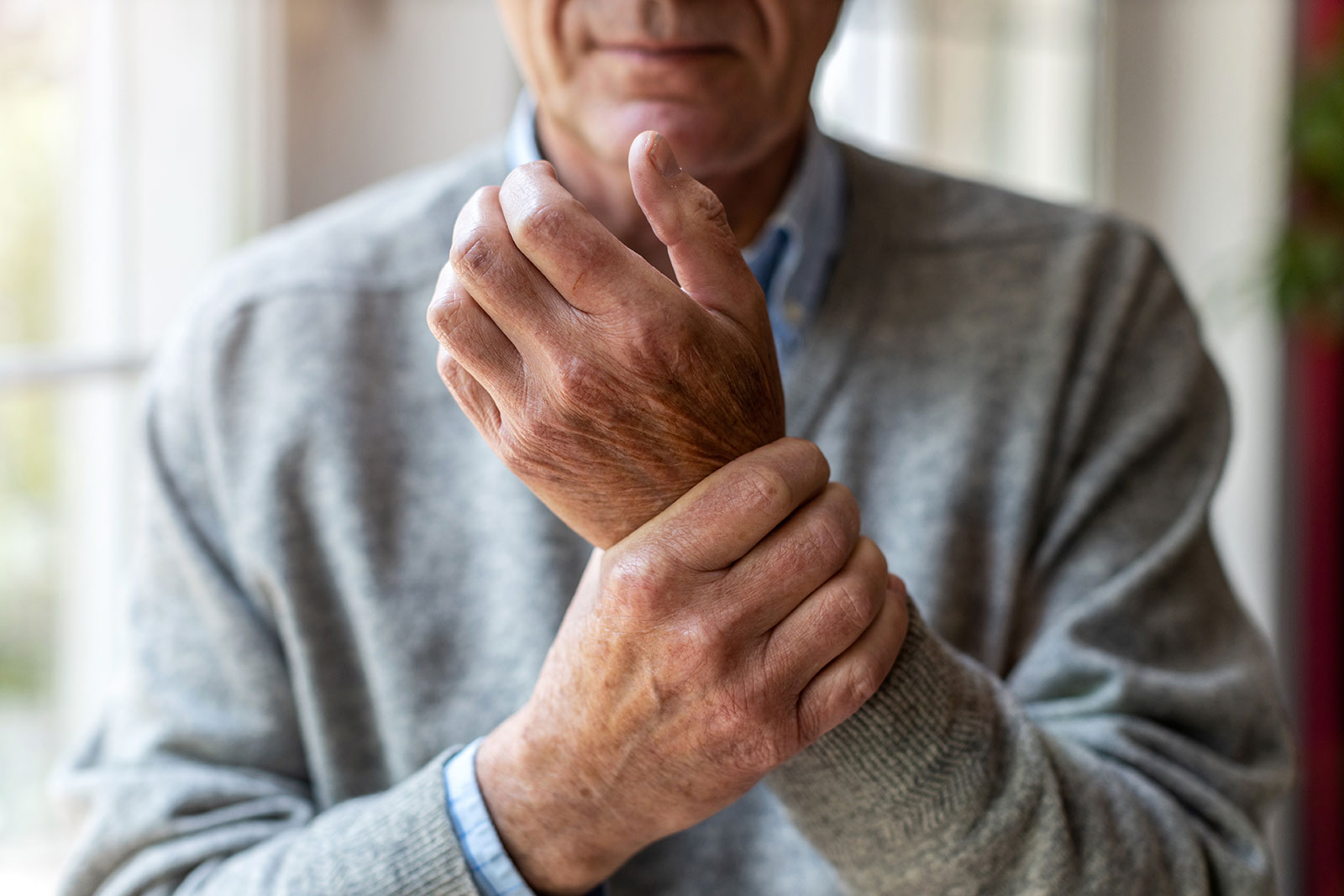
You reach into the freezer, step outside on a cool morning, or hold a cold drink, and within minutes your fingers turn white. Then they may turn blue, and as they warm back up, bright red, with tingling or throbbing along the way. If that sounds familiar, you may be experiencing Raynaud’s phenomenon.
It is far more common than most people realize, and while it is often harmless on its own, it can sometimes be the first visible sign of an underlying autoimmune condition. That makes it worth understanding rather than ignoring.
What Is Happening in Your Hands
Small blood vessels in your fingers and toes are designed to narrow in the cold to conserve heat. In Raynaud’s, that normal response becomes exaggerated. The vessels clamp down far more than necessary and stay that way, sharply reducing blood flow to the area.
The color changes reflect exactly that. White means blood flow has dropped. Blue means the tissue is running low on oxygen. Red is the flush that comes when circulation returns. Not everyone experiences all three colors, and episodes can last anywhere from a few minutes to an hour.
Fingers and toes are most commonly affected, but Raynaud’s can also involve the nose, ears, lips, and nipples.
Two Different Types
Primary Raynaud’s: This occurs on its own, without any related disease. It usually begins between the teens and thirties, tends to affect both hands symmetrically, and does not cause tissue damage. It can be annoying and uncomfortable, but it is generally not dangerous.
Secondary Raynaud’s: This occurs alongside another condition, often an autoimmune one such as scleroderma, lupus, Sjögren’s syndrome, or mixed connective tissue disease. It usually starts later in life, can be more severe, may affect one hand more than the other, and carries a greater risk of skin sores or tissue damage.
Telling the two apart matters, and it is one of the reasons a rheumatologist may want to take a closer look.
Why It Can Be an Early Signal
In some autoimmune conditions, Raynaud’s shows up years before anything else does. It can precede other symptoms by a long stretch, which means recognizing it early sometimes allows a condition to be identified and monitored well before it causes broader problems.
This is not a reason to panic if your hands get cold. Most people with Raynaud’s have the primary form and never develop anything further. But it is a reason to have it evaluated properly rather than assuming it is just poor circulation.
What an Evaluation Involves
Your rheumatologist will ask about the pattern of your episodes, when they started, what triggers them, and whether you have other symptoms like joint pain, dry eyes and mouth, rashes, reflux, or skin tightening.
Bloodwork can check for autoimmune markers. A simple, painless test called nailfold capillaroscopy uses magnification to look at the tiny blood vessels at the base of your fingernails, where certain patterns can point toward a secondary cause. Together these help sort out which type you have.
Managing Episodes Day to Day
Cold is the most obvious trigger, but it is not the only one. Emotional stress can bring on episodes, as can sudden temperature changes, like moving into a heavily air-conditioned building on a warm day. Nicotine and certain medications, including some used for blood pressure and migraines, can also make things worse.
Warming your whole body matters more than warming just your hands. Blood vessels in the fingers respond to your core temperature, so a warm coat and layers often help more than gloves alone.
When an episode starts, move somewhere warm, tuck your hands under your arms or in warm (not hot) water, and gently wiggle your fingers to encourage circulation.
Practical Tips
- Keep gloves in your car, bag, and by the door so they’re always within reach
- Wear gloves for the freezer section and use insulated cups for cold drinks
- Dress in layers to keep your core warm, not just your hands
- Avoid nicotine, which narrows blood vessels further
- Report any sores, ulcers, or skin breakdown on fingertips promptly
When to Reach Out
Contact your rheumatologist if episodes become more frequent or severe, if only one hand is affected, if you develop sores or cracks on your fingertips that heal slowly, or if you notice new symptoms elsewhere in your body.
As the weather turns cooler, Raynaud’s tends to become more noticeable. If yours is getting harder to manage, or if it is new, bring it to your next appointment. There are effective ways to reduce episodes, and it is worth knowing which type you’re dealing with.
Your Symptoms Matter
If you’re ready to take the next step toward clarity and relief, the team at AMS Rheumatology in Amarillo is here to walk with you, providing compassionate care, expert guidance, and personalized treatment plans designed to help you regain control, reduce discomfort, and improve your quality of life.