 Search
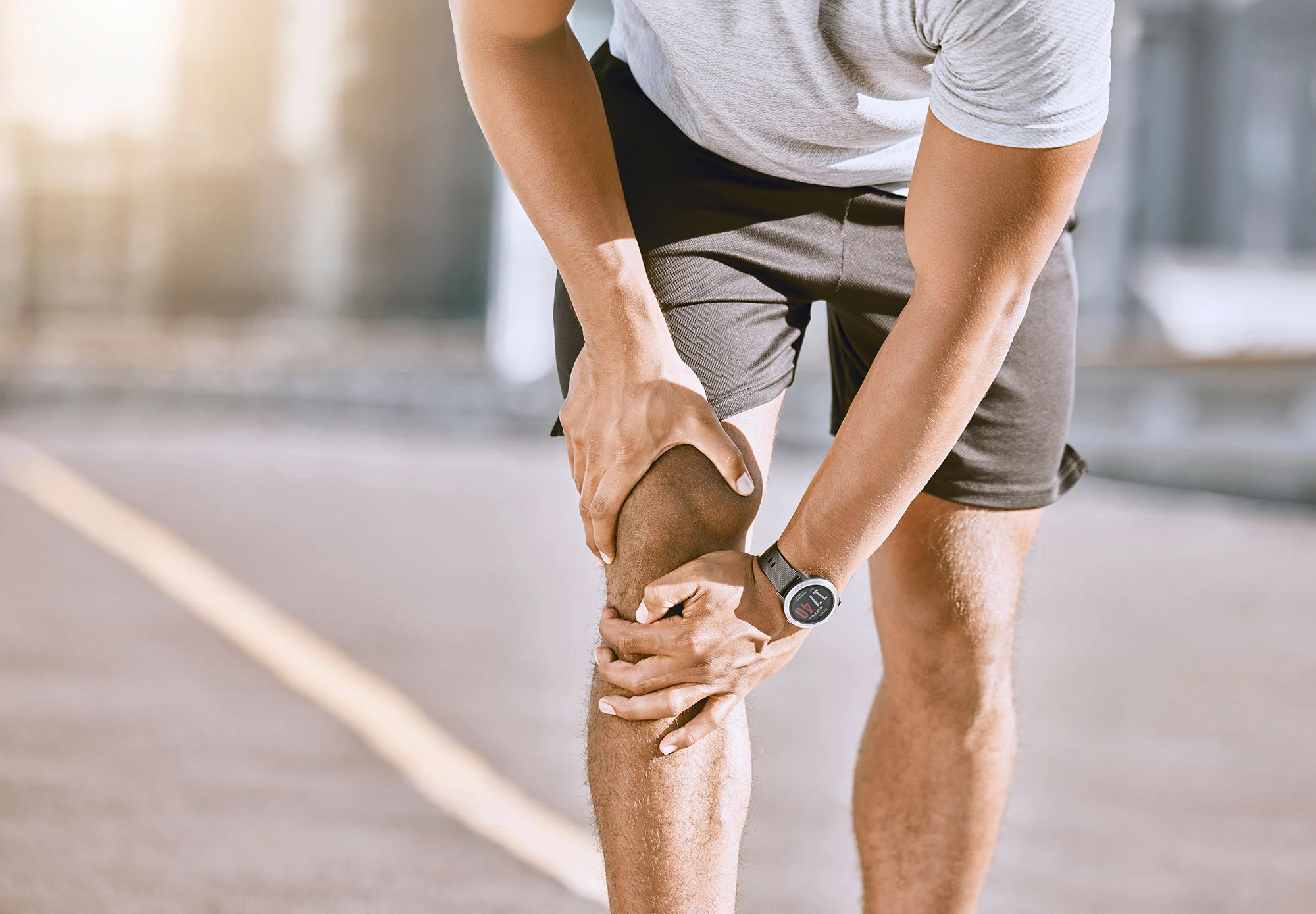
Almost every patient with a rheumatic condition has noticed it at some point: a change in the weather seems to bring a change in how they feel. Stiffer joints before a storm. More aching on cold, damp days. It’s such a common experience that it can feel almost universal, even though the science is still catching up.
Understanding what may be happening, and what you can do about it, can help you feel less at the mercy of the forecast and more in control of how you plan your days.
What the Research Actually Shows
Studies on weather and joint pain have produced mixed results, but a few themes keep coming up. Barometric pressure changes, cold temperatures, and increased humidity are the factors most often linked to symptom flares. Some research suggests that when pressure drops, tissues around joints may expand slightly, which could increase discomfort in already-sensitive joints.
The picture isn’t fully clear yet, and not every patient responds to weather the same way. But the pattern is real for many people, and it’s worth taking your own experience seriously even when the data feels fuzzy.
Why Cold and Damp Weather Can Feel Harder
Cold weather can make muscles tense up and joints stiffen. Damp air may add to that feeling. In colder months, people also tend to move less, spend more time indoors, and get less sunlight, all of which can subtly affect how symptoms show up.
Seasonal changes also tend to disrupt sleep, activity levels, and routines, which are themselves connected to symptom patterns. So it’s not always the weather alone. It’s often a cluster of things happening at once.
Preparing for Weather Shifts
You can’t control the weather, but you can prepare for it. A few strategies help many patients:
Dress in layers. Warm, loose clothing on cold days keeps joints comfortable. Compression gloves, socks, or sleeves can add extra support on tough days.
Keep moving. Even short indoor movement sessions can prevent the stiffness that comes from staying still. Gentle stretches, seated exercises, or a slow walk around the house all count.
Use warmth. Warm showers, heating pads, and warm baths can ease stiffness before it settles in. A warmed blanket in the morning can make getting out of bed easier.
Watch the forecast. If you know a big weather change is coming, plan a lighter day. Move demanding tasks to a stretch of steadier weather when possible.
Track Your Own Patterns
The most useful data isn’t from studies. It’s from you. If you keep a symptom journal, note the weather each day. Over time you may spot personal patterns that broad research can’t catch. Some people find they’re most sensitive to pressure drops. Others notice cold matters more than humidity. Everyone’s version of this is a little different.
Once you know your own triggers, you can plan around them more effectively.
Practical Tips
- Keep a light layer nearby even in warmer months, since sudden weather changes can catch you off guard
- Try compression gloves or socks on days when hands or feet feel especially achy
- Warm up joints with a hot shower, heating pad, or paraffin bath before starting your day
- Adjust your activity level on rough weather days without seeing it as a setback
- Note weather alongside symptoms in your journal for a few months to spot personal patterns
You’re Not Imagining It
If you’ve ever felt dismissed for saying you can “feel a storm coming,” you’re not alone. And while researchers are still working out exactly why weather affects joints, your experience is a real signal your body is giving you. That’s worth respecting, not brushing aside.
If seasonal changes consistently make your symptoms harder to manage, bring it up with your care team. There may be small adjustments to your routine, medications, or self-care habits that can smooth out the tougher stretches of the year.
Your Symptoms Matter
If you’re ready to take the next step toward clarity and relief, the team at AMS Rheumatology in Amarillo is here to walk with you, providing compassionate care, expert guidance, and personalized treatment plans designed to help you regain control, reduce discomfort, and improve your quality of life.