 Search
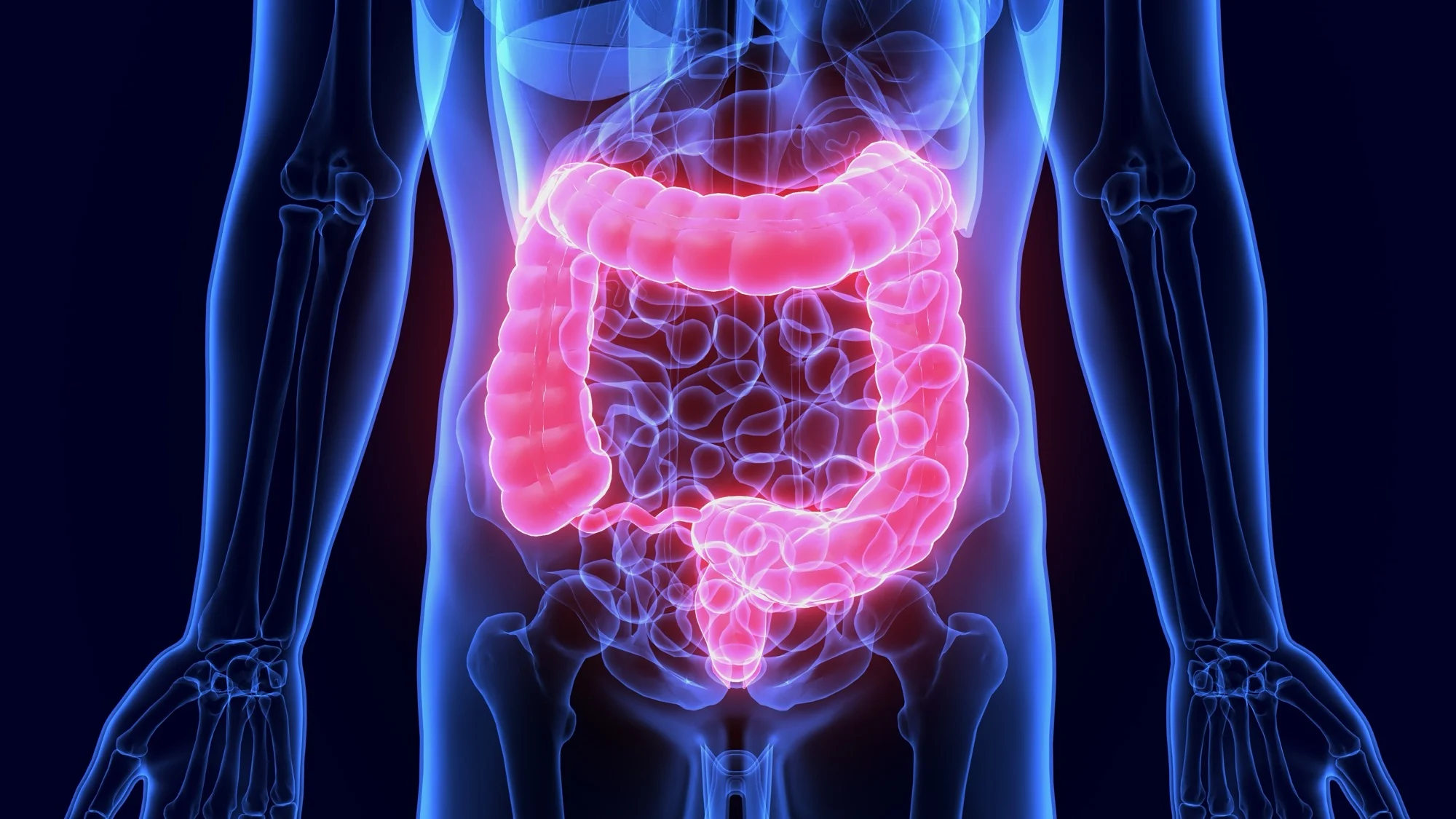
If you’ve spent any time online reading about autoimmune disease, you’ve probably come across strong opinions about gut health. Some sources promise that the right diet or supplement can transform your condition. Others dismiss the gut entirely. The truth lives somewhere in the middle, and it’s a more interesting story than either extreme suggests.
Research into the gut-immune connection is growing fast. But it’s worth separating what we actually know from what gets oversold. A grounded look can help you make better choices without falling for hype.
Why the Gut and Immune System Are So Closely Linked
A significant portion of your immune system lives in and around your gut. That makes biological sense. Your digestive tract is one of your body’s largest points of contact with the outside world, so it needs strong immune defenses. The lining of your gut also helps decide what gets absorbed and what stays out.
Your gut is also home to trillions of microbes, collectively called the microbiome. These microbes do more than digest food. They help train your immune system, produce certain vitamins, and influence inflammation throughout the body.
What the Research Actually Suggests
Studies have found that people with autoimmune conditions often have differences in their gut microbiome compared to people without those conditions. Some research suggests that changes in gut bacteria could play a role in triggering or worsening autoimmune activity, though cause and effect are still being worked out.
What’s clearer is that the gut and immune system communicate constantly, and that diet, stress, sleep, and medications can all influence that conversation. That’s a more nuanced picture than “fix your gut, fix your disease,” but it’s also more accurate.
What Tends to Support a Healthy Gut
You don’t need a perfect diet to support your gut. A few patterns show up consistently in the research:
Fiber-rich foods: Vegetables, fruits, legumes, and whole grains feed beneficial gut microbes and support a more diverse microbiome.
Fermented foods: Yogurt, kefir, sauerkraut, kimchi, and similar foods can contribute helpful microbes, when you tolerate them.
Limited ultra-processed foods: Highly processed foods, especially those high in added sugar and certain additives, tend to be less friendly to the gut.
Adequate hydration: Water supports healthy digestion and helps everything in your gut move along smoothly.
What to Be Skeptical Of
Wellness culture has latched onto the gut in a big way, and not all of the advice out there is reliable. Be cautious about:
Expensive supplements that promise to “heal” your gut or cure autoimmune disease. Most of these have weak evidence behind them.
Extremely restrictive diets that cut out entire food groups without a clear medical reason. They can be hard to sustain and may not deliver what they promise.
Microbiome tests sold directly to consumers. The science is interesting, but the testing technology is still maturing and the results often aren’t actionable.
One-size-fits-all eating plans. Bodies, conditions, and tolerances vary, and what works for one person may not work for another.
Practical Tips
- Aim for a varied diet with plenty of plants, rather than chasing any single “perfect” food
- Add fermented foods gradually if you tolerate them, and watch how your body responds
- Be cautious of any source promising a cure through gut health alone
- Talk to your care team or a registered dietitian before starting restrictive diets or supplements
- Pay attention to how your body actually responds to changes, not just to what a trend says should work
A Useful Piece of a Bigger Picture
Gut health is a real and growing area of research, and there are sensible habits you can build that may support your overall well-being. But gut health isn’t a substitute for the rest of your treatment, and the most useful changes are usually the simplest ones.
If you’re curious about how food and gut health might fit into your care, talk with your care team. They can help you sort through what’s evidence-based and what’s hype, and connect you with a dietitian if more focused guidance would help.
Your Symptoms Matter
If you’re ready to take the next step toward clarity and relief, the team at AMS Rheumatology in Amarillo is here to walk with you, providing compassionate care, expert guidance, and personalized treatment plans designed to help you regain control, reduce discomfort, and improve your quality of life.